Revolutionizing Healthcare Storage: Medical File Storage Systems and Vertical Storage Units
In the fast-paced world of healthcare, the efficient organization and storage of medical files are crucial for providing quality patient care and maintaining regulatory compliance. Traditional filing methods often result in cluttered and disorganized storage areas, making it challenging for healthcare providers to access patient information quickly and accurately. However, with the advent of medical file storage systems and vertical storage units, healthcare facilities can streamline their record-keeping processes and optimize storage space. In this blog, we'll delve into the benefits and features of medical file storage systems and vertical storage units, showcasing their importance in modern healthcare settings.
Medical File Storage Systems
Enhancing Efficiency and Accessibility Medical file storage systems are specialized solutions designed to organize, store, and retrieve medical records efficiently. These systems offer several benefits for healthcare facilities:
Space Optimization
Medical file storage systems maximize available space by utilizing vertical shelving units, compact cabinets, and adjustable storage components. By optimizing space usage, healthcare facilities can store a larger volume of records in a smaller footprint, reducing clutter and freeing up valuable floor space for other purposes.
Enhanced Organization
Medical file storage systems categorize and label medical records systematically, making it easy for healthcare providers to locate specific files quickly. With features such as color-coded labels, alphabetical dividers, and customizable indexing options, medical file storage systems facilitate accurate record retrieval and minimize the risk of errors.
Improved Accessibility
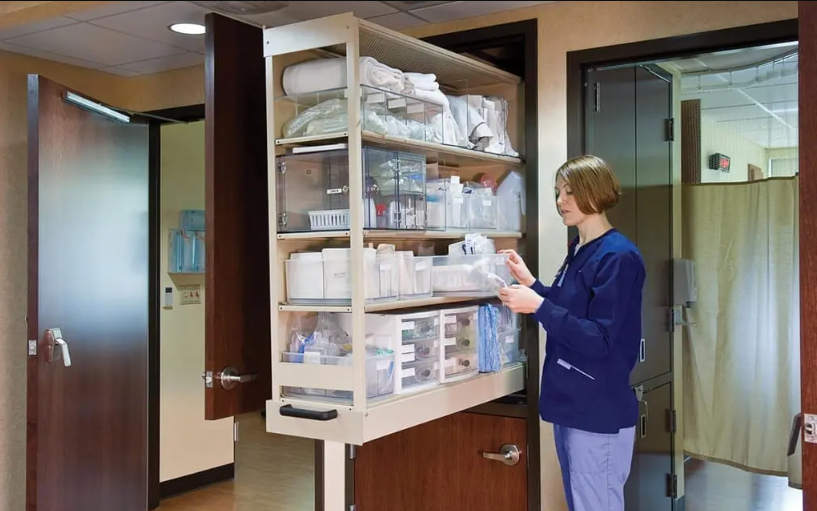
Medical file storage systems provide easy access to medical records for authorized personnel, reducing the time and effort required to retrieve information. With features such as pull-out shelves, sliding drawers, and ergonomic design, medical file storage systems promote efficiency and convenience in record retrieval processes.
Vertical Storage Units
Maximizing Storage Efficiency Vertical storage units are innovative solutions that utilize vertical space to store a wide range of items, including medical supplies, equipment, and documents. These units offer several advantages for healthcare facilities:
Space-Saving Design
Vertical storage units utilize vertical space efficiently, allowing healthcare facilities to store large quantities of items in a compact footprint. By minimizing floor space usage, vertical storage units create a more organized and clutter-free environment, enhancing workflow efficiency and safety.
Customizable Configurations
Vertical storage units are highly customizable, with adjustable shelves, dividers, and accessories that can be tailored to suit specific storage needs. Healthcare facilities can configure vertical storage units to accommodate different types of items, optimize storage density, and maximize accessibility for users.
Enhanced Security
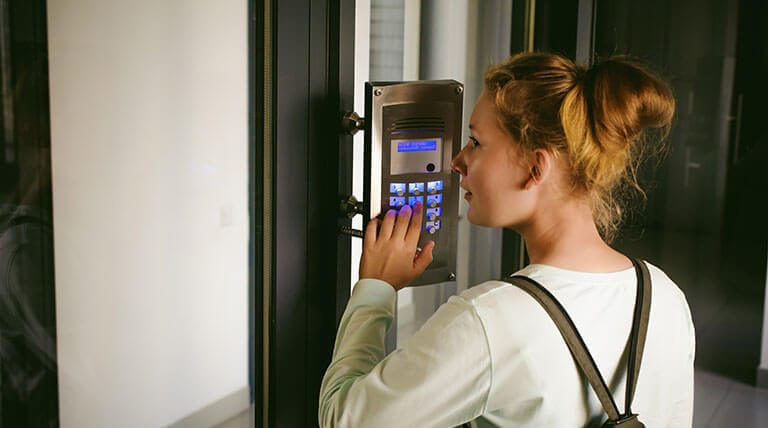
Vertical storage unit feature locking mechanisms and access controls to secure valuable items and sensitive information. By restricting access to authorized personnel and monitoring storage activity, vertical storage units help prevent theft, loss, and unauthorized access to confidential data.
Medical file storage systems and vertical storage units play a vital role in promoting efficiency, organization, and security in healthcare facilities. By implementing these innovative storage solutions, healthcare providers can streamline record-keeping processes, optimize space usage, and improve overall productivity. As healthcare organizations continue to evolve and adapt to changing needs and regulations, investing in medical file storage systems and vertical storage units will remain essential for maintaining high standards of patient care and operational excellence.